
On sacred attention.
The modern world trains us to flatten all distinctions. You have to discern and decide what is sacred.

If everything is special, nothing is special.
Around 1996, I saw an image that stopped me in my tracks. It appeared in a tri-fold brochure which seemed to be part of promotional material for an upcoming book release. It wasn’t a picture that should have caught me by surprise, as it was a photograph taken during surgery. I was a medical student at the time and had already seen a fair amount of human anatomy, whether in the gross anatomy lab or during actual surgery. But this photo was jarring.
The picture which caught me in my tracks was the one shown below: a photograph of the spinal cord. It was one of many surgical images taken by photographer Max Aguilera-Hellweg and compiled into a book titled “The Sacred Heart.”
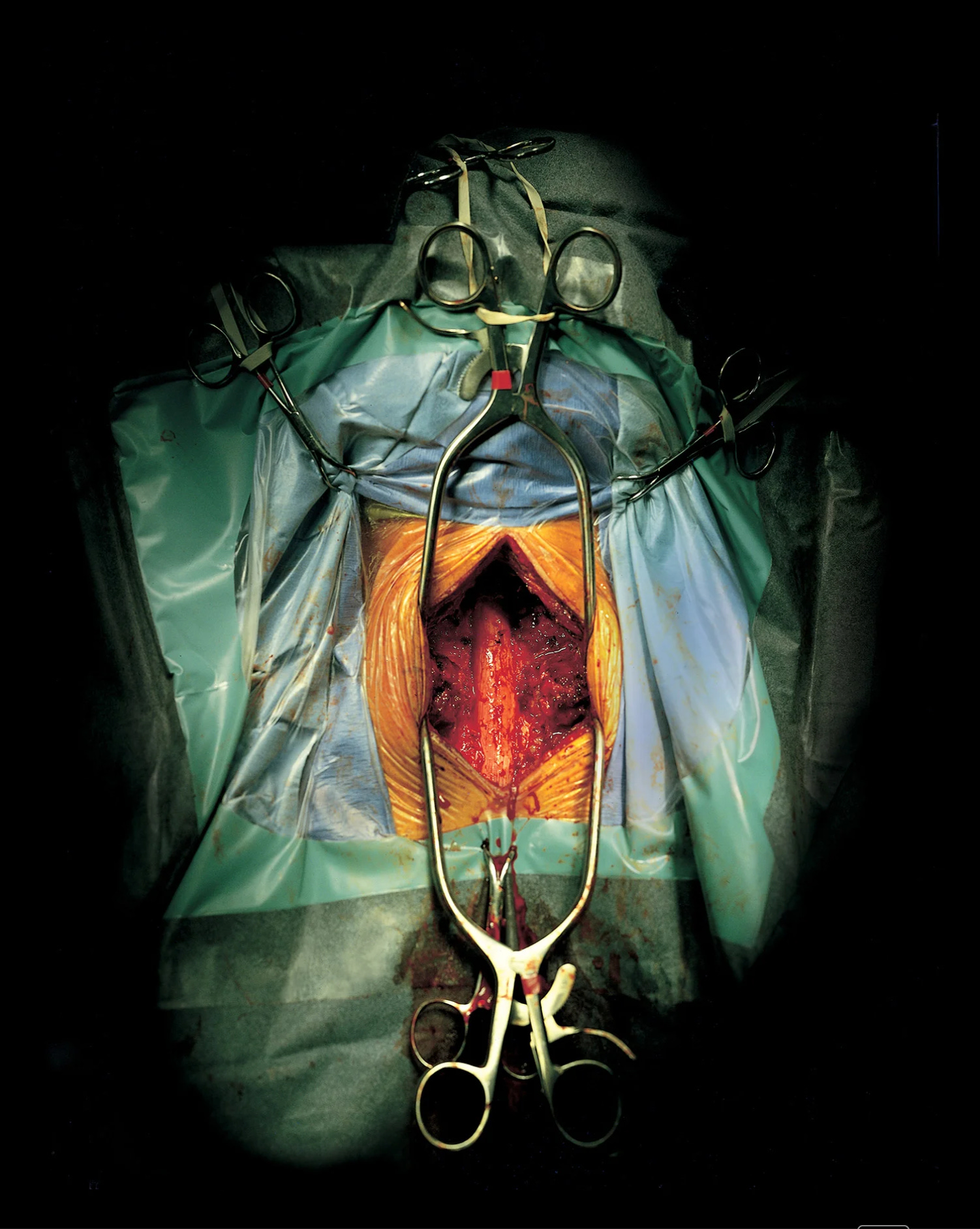
Max was already an accomplished photographer when he took this photo. He was commissioned to photograph a neurosurgeon for a business magazine and he came to the operating room to take some photographs.
Max was busy shooting her hands when she stepped aside and showed him the exposed spinal cord.
Max describes his encounter with the spinal cord this way:
“I realized I was in the presence of the most intimate, most vulnerable, most inviolate thing I had ever seen. The spinal cord had never seen light, wasn’t meant to see light, and at this moment was bathed in light. My first impulse, I must confess, was to spit, to defile it in some way, bring it down to my level. I didn’t, of course, but I felt I was in the presence of something so precious, so amazing, so powerful, so pure I couldn’t bear the intensity.”
The Art of Noticing
What Max had experienced, or perhaps better said, allowed himself to experience, was noticing. Noticing without distraction. Noticing with singular focus. Noticing the difference between the sacred and the profane.
Max’s impulse was not contempt, but rather one of the highest respect: recognition of the sacred nature of the spinal cord, of the connection between the mind and the body. For Max that day wasn’t just another day photographing a subject; it was an encounter with the sacred.1
When I came across that photo around 1996, the World Wide Web was in its embryonic stages, but I managed to contact Max Aguilera-Hellweg and arrange a meeting with him. Max and I were friends for several years, and from him I learned that photographers look at the world differently than most people.
During our friendship Max gifted to me a print of a photo which he said was among his favorite of all he had taken, a photo taken at a New York City crosswalk:
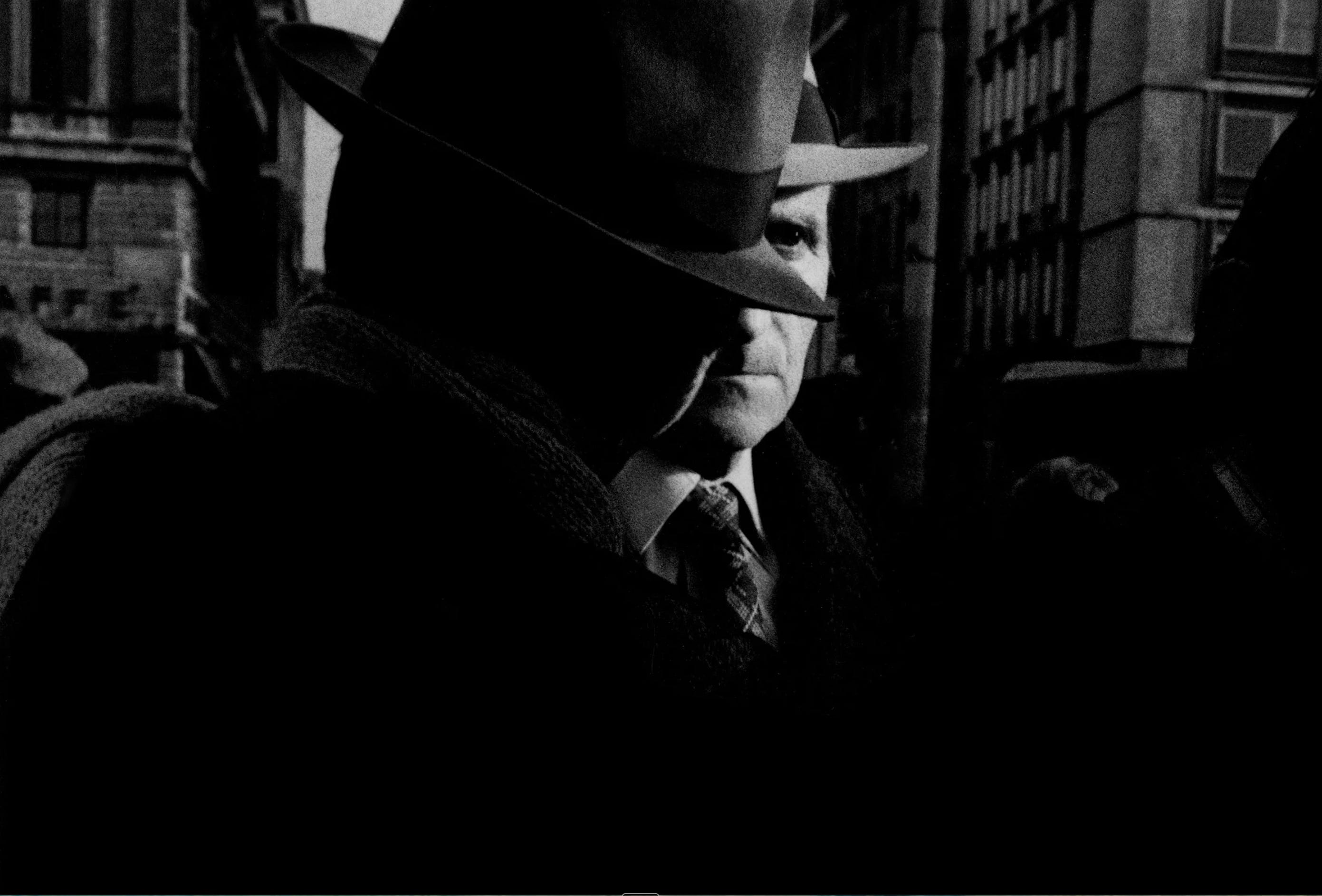
The majesty of this photo was not really apparent to me until Max explained some details. What are the chances of being at a crosswalk in Manhattan and two men with similar hats cross each other’s path? And the odds of the sunlight hitting the face of the man looking ahead? At just one moment, the brim of the man’s hat nearest to us frames the eye of the second man in opposition of the brim of his own hat. And everything is a grainy dark blur except for the man walking toward us, a portion of his hat, and his collar.
Few of us standing at a crosswalk would see these details and fewer still able to capture them with a film camera.
What does it mean to be able to sort signal from the noise, and pay attention and capture what truly matters?
The modern world trains us to flatten distinctions. Every notification, every manufactured outrage, every invitation demands equal weight and equal attention.
Max’s job as a photographer is to focus on what matters and to not be distracted. To separate the sacred from the profane.
On focusing
What is your top priority now and for the next 30 days?
Here are some things on the plate for my friends and acquaintances recently:
A pilot preparing for an ATP check ride, the highest pilot certificate.
A person dealing with their father’s declining health amid Stage IV cancer.
A young person about to be unemployed and looking for job prospects.
Each of these people has different areas of focus but all of them, and all of us, are at risk of losing it by succumbing to the same distractions. That might include aimlessly scrolling through social media, time poorly spent on messaging groups, and making space for conversations and meetings which have little utility.
What goes wrong here is that these distractions are a sign of treating everything the same. If the person looking for job prospects is also spending their day scrolling through social media, then they’re stealing time from developing the very same skills that would make them more employable.
You have to be able to separate the sacred from the profane. You have to be able to look at something and realize this is the most important thing you will see for the near future. You must tell yourself “This is the thing which commands my attention.”
To notice something properly is to distinguish it from everything else. Attention is an act of ranking. Reverence requires discrimination. The modern world destroys this capacity by presenting everything as equally urgent, equally interesting, and equally deserving of our attention.
What Max experienced when he saw the spinal cord was not disgust, but a form of reverence so intense it became destabilizing.
Discernment requires saying some things matter more. If you give your attention to everything, you treat everything as sacred. And if everything is sacred, then nothing is.
That one photo led Max Aguilera-Hellweg down a path to take many more surgical photos and become interested in the practice of medicine. Max eventually applied and was accepted to medical school at the age of 44. At the age of 51 he completed 2 years of residency before leaving medicine to return to photography.
I cannot quit looking at the black and white photo. It is surreal and takes me back to all the wonderful film noir of the ‘40s.
@Cynthia Watkins Here’s a link to a small sample of Max’s early work in B&W https://aguilerahellweg.com/early-work